
Preparing for Hurricane Season
Hurricane Season Is Here — Why I should and What Do I Need to Do to Prepare?
An Important Message from Your Fire Department


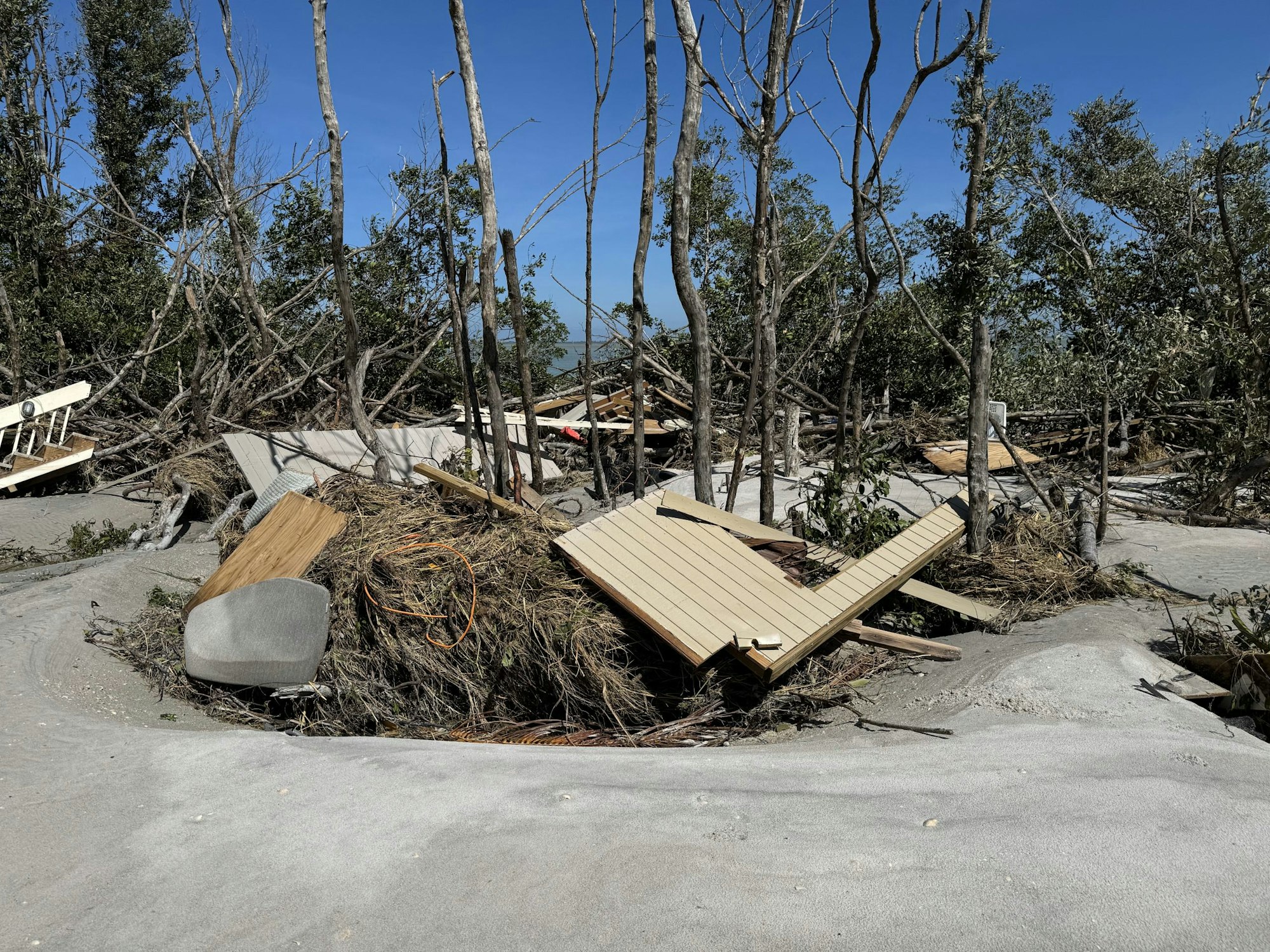

Hurricane season is here, and now is the time to make sure you and your family are prepared. Living in a coastal community means that storms are a reality, and proper preparation can significantly reduce risk to life, property, and emergency responders. The Fire Department encourages all residents to take proactive steps early in the season and to avoid waiting until a storm is imminent.
Preparedness is not just about protecting property—it is about ensuring the safety of your family and allowing emergency services to operate effectively when conditions deteriorate.
Places like Captiva Island don’t really get the luxury of “waiting and seeing” with hurricanes—the risks hit fast and hit hard.
First, it’s all about geography. Captiva is a low-lying barrier island sitting right on the Gulf, which makes it extremely exposed to storm surge. That’s often the most dangerous part of a hurricane—not the wind, but the wall of water that can flood homes, roads, and utilities in hours.
Then there’s isolation. Captiva is connected by limited roads and bridges, so if people don’t prepare early, evacuation can become slow or even impossible. Once conditions worsen, emergency services may not be able to reach residents quickly.
Infrastructure is another big piece. Power, water, and communications can go down easily during a storm. If you haven’t stocked supplies or secured your home, you could be dealing with days—or longer—without basic services.
And finally, the economic side. Tourism is huge for Captiva, so hurricanes can damage businesses, homes, and natural attractions like beaches and wildlife habitats. Preparing ahead helps reduce long-term losses and speeds up recovery.
In short: on a barrier island like Captiva, preparation isn’t overkill—it’s what makes the difference between a manageable disruption and a serious disaster.
Early Season Preparation — What You Should Do Now
The most effective preparation happens before a storm is in the forecast. Waiting until the last minute often leads to shortages of supplies, long lines, and unnecessary stress.
Build a Disaster Supply Kit
Each household should have enough supplies to last at least 7 days without outside assistance.
Your kit should include:
- One gallon of water per person per day
- Non-perishable food items
- Manual can opener
- Prescription medications (at least a 7-day supply)
- Flashlights and extra batteries
- Battery-powered or hand-crank radio
- First aid kit
- Hygiene and sanitation supplies
- Phone chargers and backup power banks
- Important documents in a waterproof container
- Cash (ATMs and credit card systems may not function)
Know Your Evacuation Zone

Residents should determine whether their home is located in an evacuation zone and understand when evacuations may be ordered.
You should:
- Know your evacuation zone
- Identify at least two evacuation routes after leaving the island
- Plan where you will go if evacuation is required
- Make arrangements for pets in advance
Do not wait until an evacuation order is issued to start planning.
Prepare Your Home
Taking steps now can reduce damage and improve safety.
Recommended actions:
- Inspect and service generators
- Test smoke alarms and carbon monoxide alarms
- Trim trees and remove dead branches
- Secure loose outdoor items
- Review hurricane shutter or window protection plans
- Clean gutters and drains
- Photograph your home and property for insurance records
Prepare for Power Outages
Extended outages are common after hurricanes.
Consider:
- Backup lighting sources
- Fuel for generators (stored safely and legally)
- Surge protection for electronics
- A plan to keep refrigerated medications cool
Important: Never operate generators indoors or in enclosed spaces.
Special Considerations
If You Have Medical Needs
Residents dependent on medical equipment should:
- Register with local emergency management if applicable
- Plan for backup power
- Identify medical facilities or shelters in advance
If You Have Pets
Include pets in your disaster planning:
- Stock pet food and water
- Have carriers ready
- Keep vaccination records accessible
Last-Minute Preparation — When a Storm Is Approaching
Once a storm is forecasted for your area, preparation should shift from planning to action. Waiting until the final hours can be dangerous and limit your options.
72–48 Hours Before Arrival
- Fuel vehicles
- Refill prescriptions
- Charge all electronic devices
- Bring outdoor furniture and decorations inside
- Begin installing shutters or window protection
- Purchase any remaining supplies
- Review evacuation plans
48–24 Hours Before Arrival
- Monitor official weather updates
- Set refrigerators and freezers to the coldest setting
- Fill bathtubs with water (for sanitation use)
- Secure trash cans and loose items
- Move vehicles to higher ground if flooding is possible
- Prepare coolers with ice
- Complete window protection installation
- Evacuation should begin
24 Hours Before Arrival
- Stay indoors unless evacuating
- Avoid unnecessary travel
- Finalize emergency supplies
- Continue monitoring emergency alerts
- Keep phones fully charged
- Contact the District 239-472-9494 and alert to who is staying, contact number, and location
If evacuation is ordered, leave immediately. Delaying evacuation can place you and emergency responders at risk.
Generator Safety Reminder
Improper generator use is one of the leading causes of injury after storms.
Always:

- Verify there are no gas leaks from dislodged or buried fuel tanks before operation
- Operate generators at least 20 feet from structures
- Keep generators outdoors only
- Never place generators in garages, even if doors are open
- Allow generators to cool before refueling
- Store fuel in approved containers only
During the Storm
- Stay indoors and away from windows
- Move to an interior room if conditions worsen
- Do not go outside during the eye of the storm
- Avoid using candles due to fire risk
After the Storm
Hazards remain after the storm passes.
Be cautious of:
- Downed power lines
- Floodwaters
- Carbon monoxide hazards
- Structural damage
- Please be patient as the Fire District and LCSO clear the island and identify any major hazards and search and rescue is completed.
Only call 911 for emergencies. Use non-emergency numbers for routine issues when available.
A Message from Your Fire Department
Hurricane preparedness is a shared responsibility. The more prepared our community is, the safer everyone will be—including first responders. Taking the time to prepare now helps ensure that emergency resources remain available for those who truly need them during and after the storm.
We encourage all residents to review their plans, prepare their homes, and stay informed throughout hurricane season.
Stay prepared. Stay informed. Stay safe.